I-215 Overcrossing Improvement Project
Little League Drive
Background
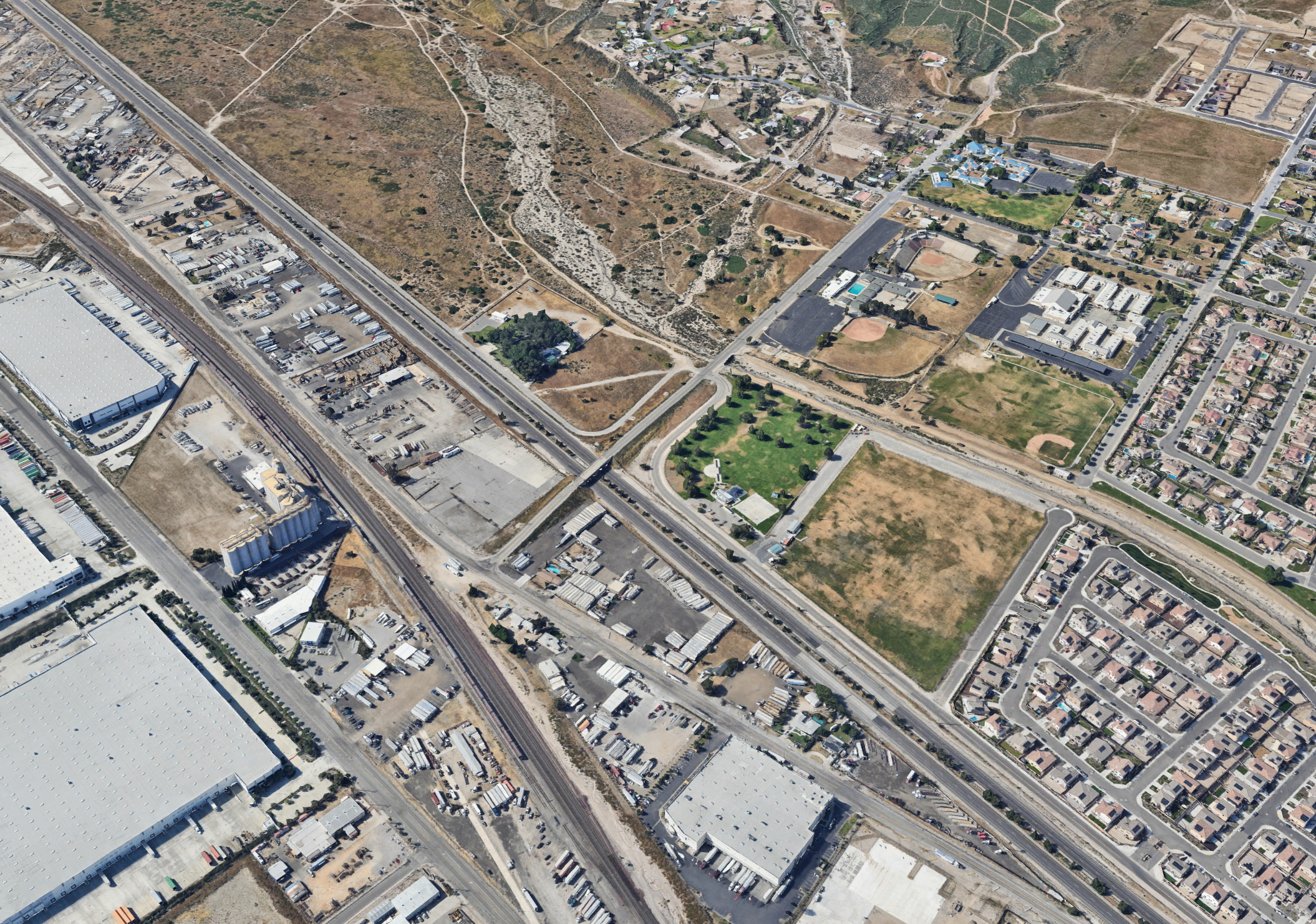
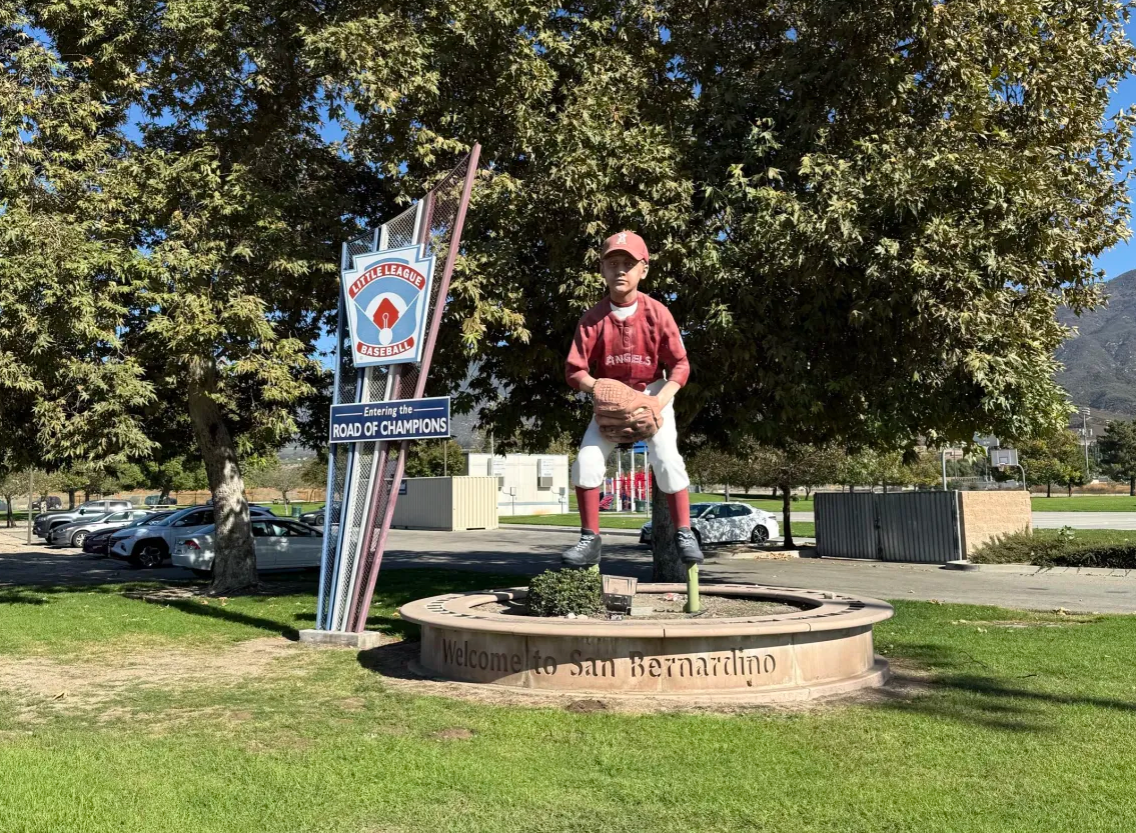
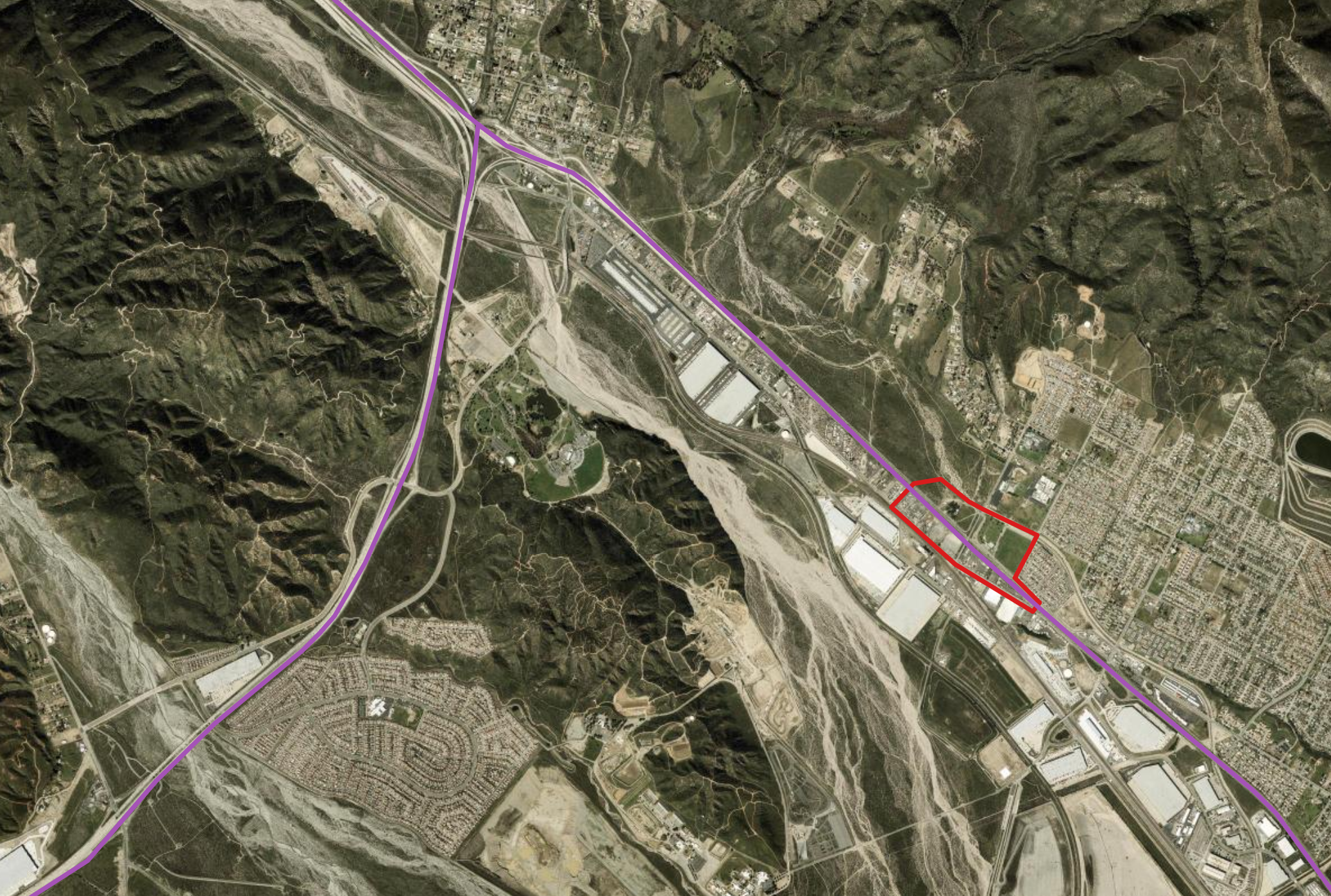
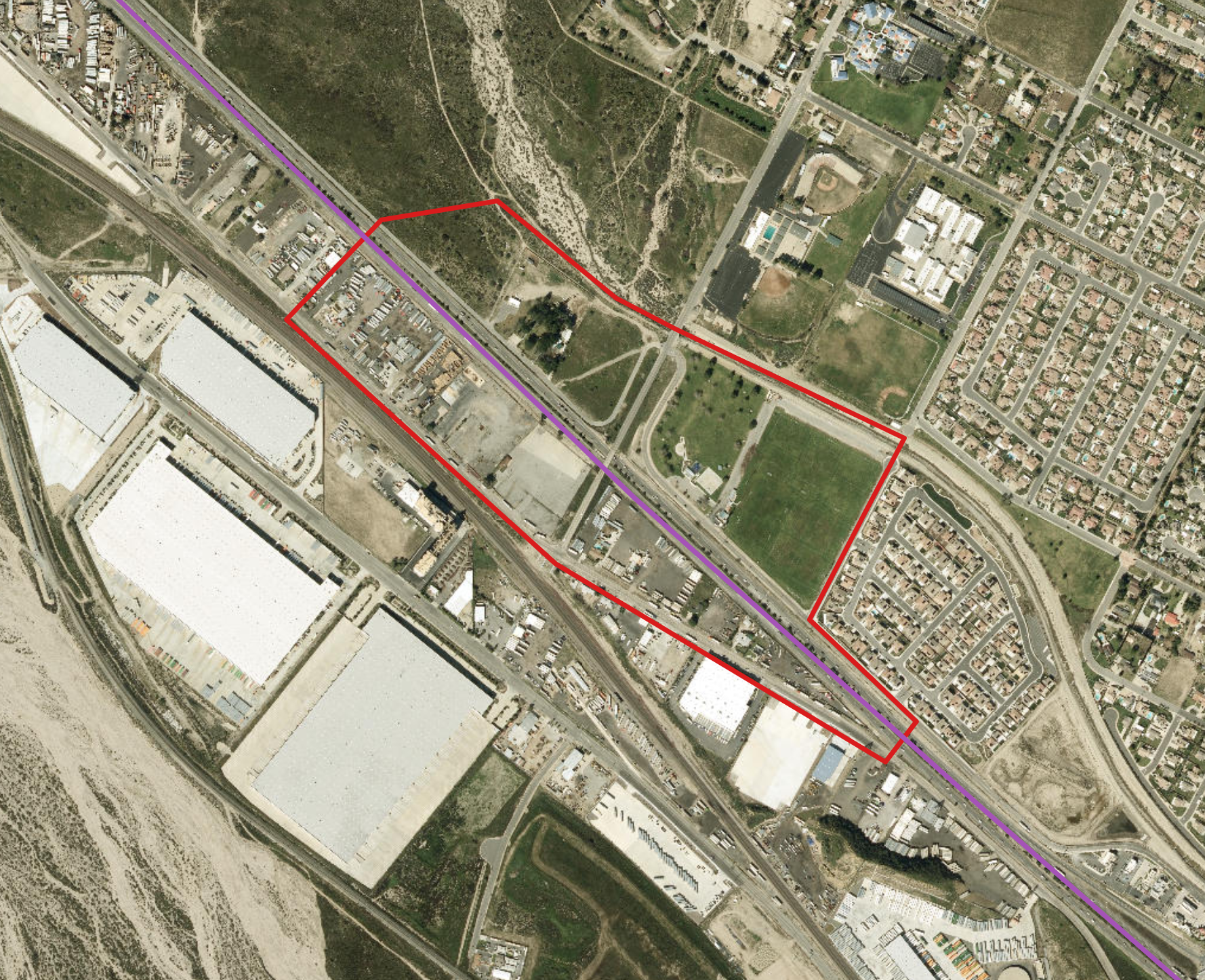
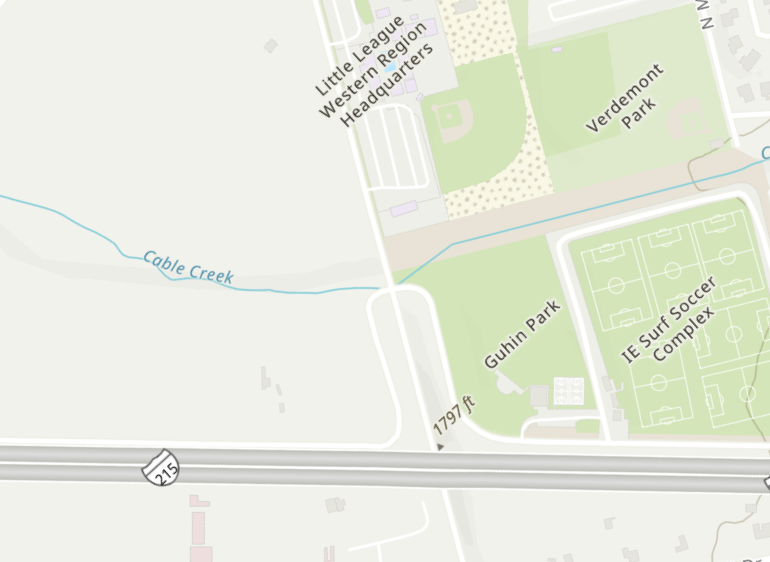
San Bernardino plays a vital role in the Inland Empire as a hub for logistics, transportation, and growing residential communities. With major freight corridors and ongoing development, the city continues to experience increases in both commuter and truck traffic. Little League Drive crosses over the I-215 between the Devore Road and Palm Avenue interchanges. The I-215 is a critical regional highway, connecting residents to employment centers, schools like Cal State San Bernardino, healthcare services, and commercial areas. It also supports the movement of goods—especially freight—linking warehouses, logistics hubs, and local businesses. There is an ever-increasing demand for safe and efficient travel for all users. However, the current roadway conditions do not fully meet these needs.
Public Service Announcement (PSA)
Alternatives
Little League Drive
San Bernardino, CA
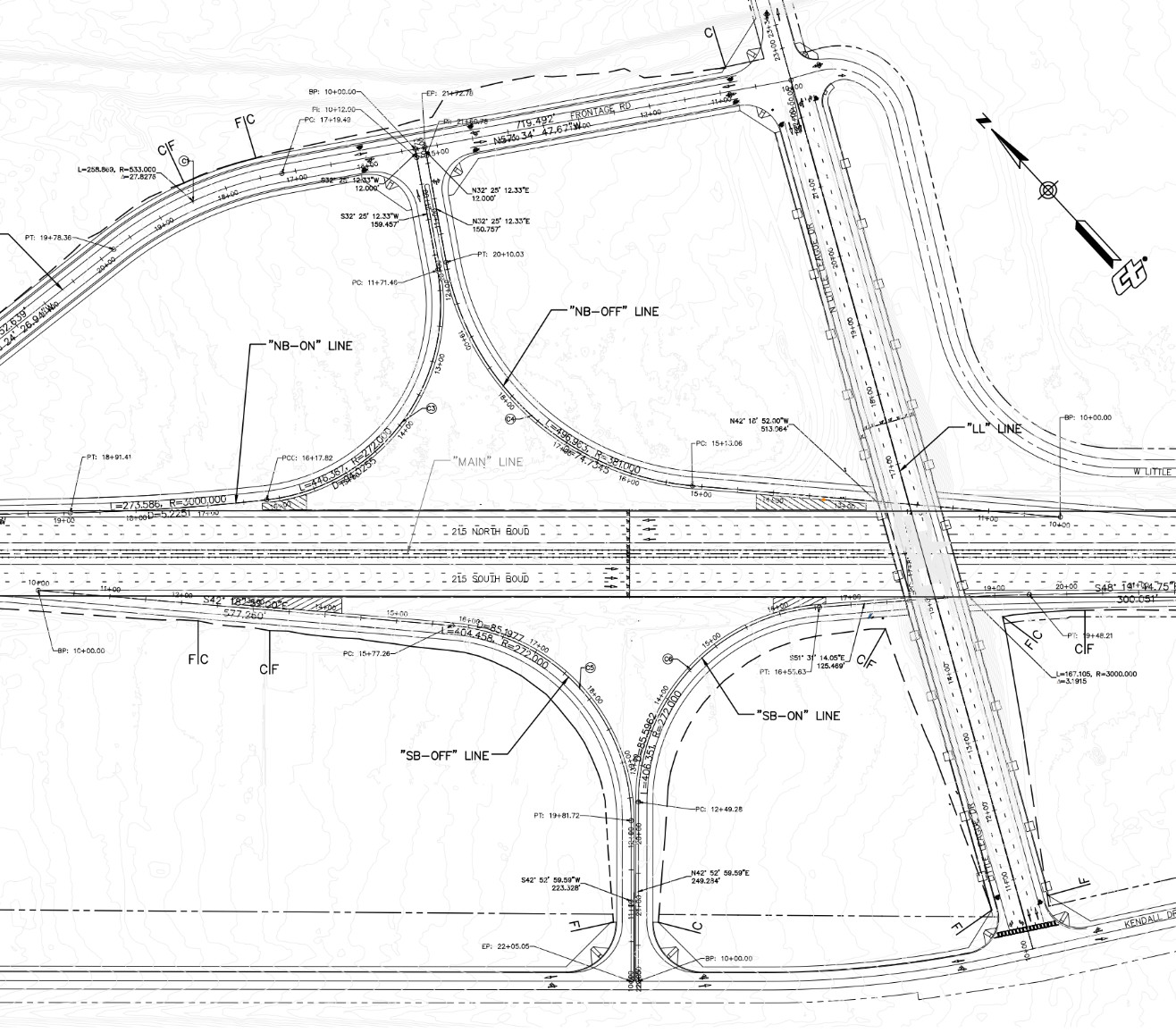
Alternative 1:
Hook Ramps
Realigns Frontage Road with two hook ramps coinciding with an overcrossing bridge replacement with the focus of providing further multimodal capacity.
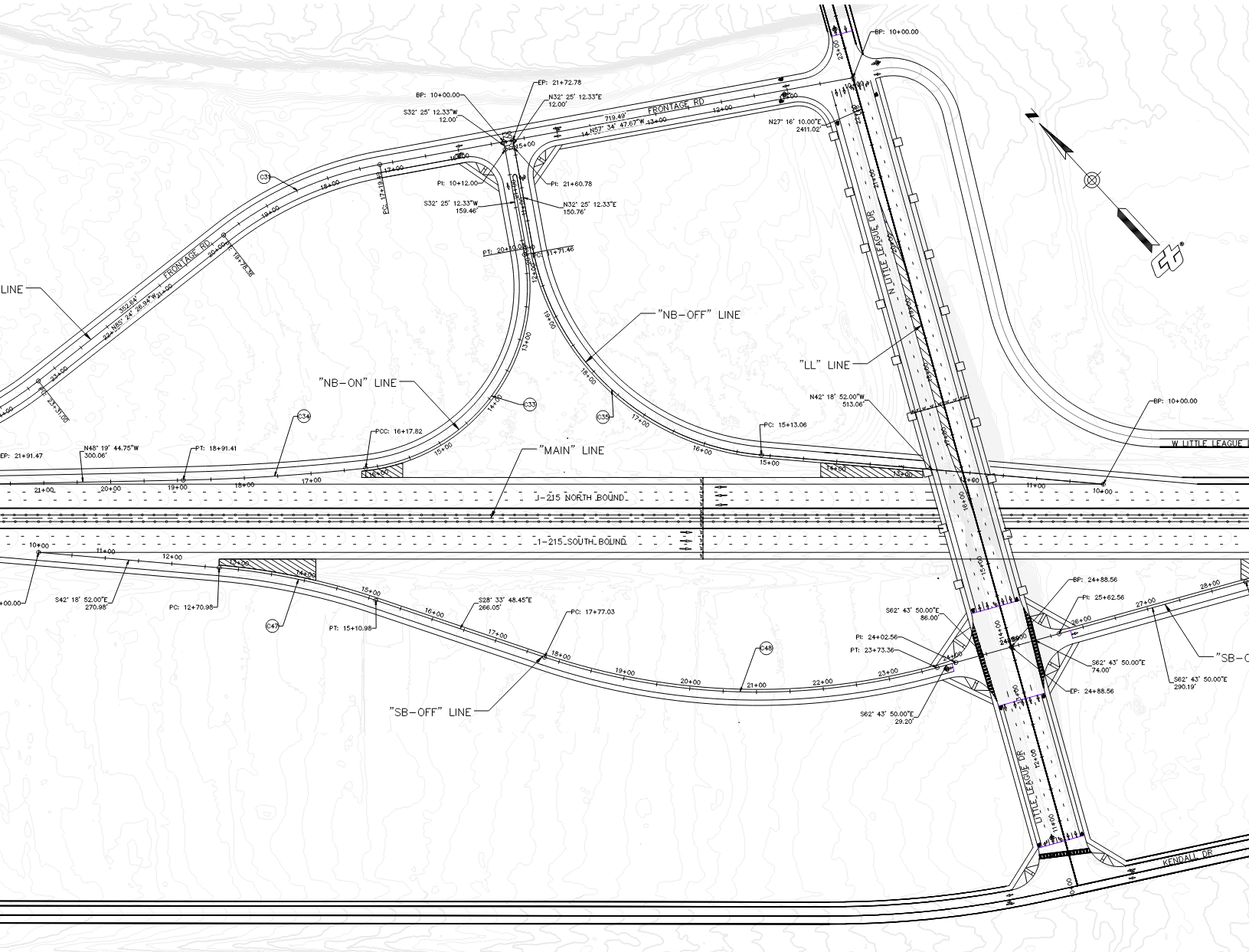
Alternative 2:
Spread Diamond Hybrid
Realigns Frontage Road and replaces the bridge while conserving space and still accommodating for existing and future truck volumes by improving truck turning conditions.
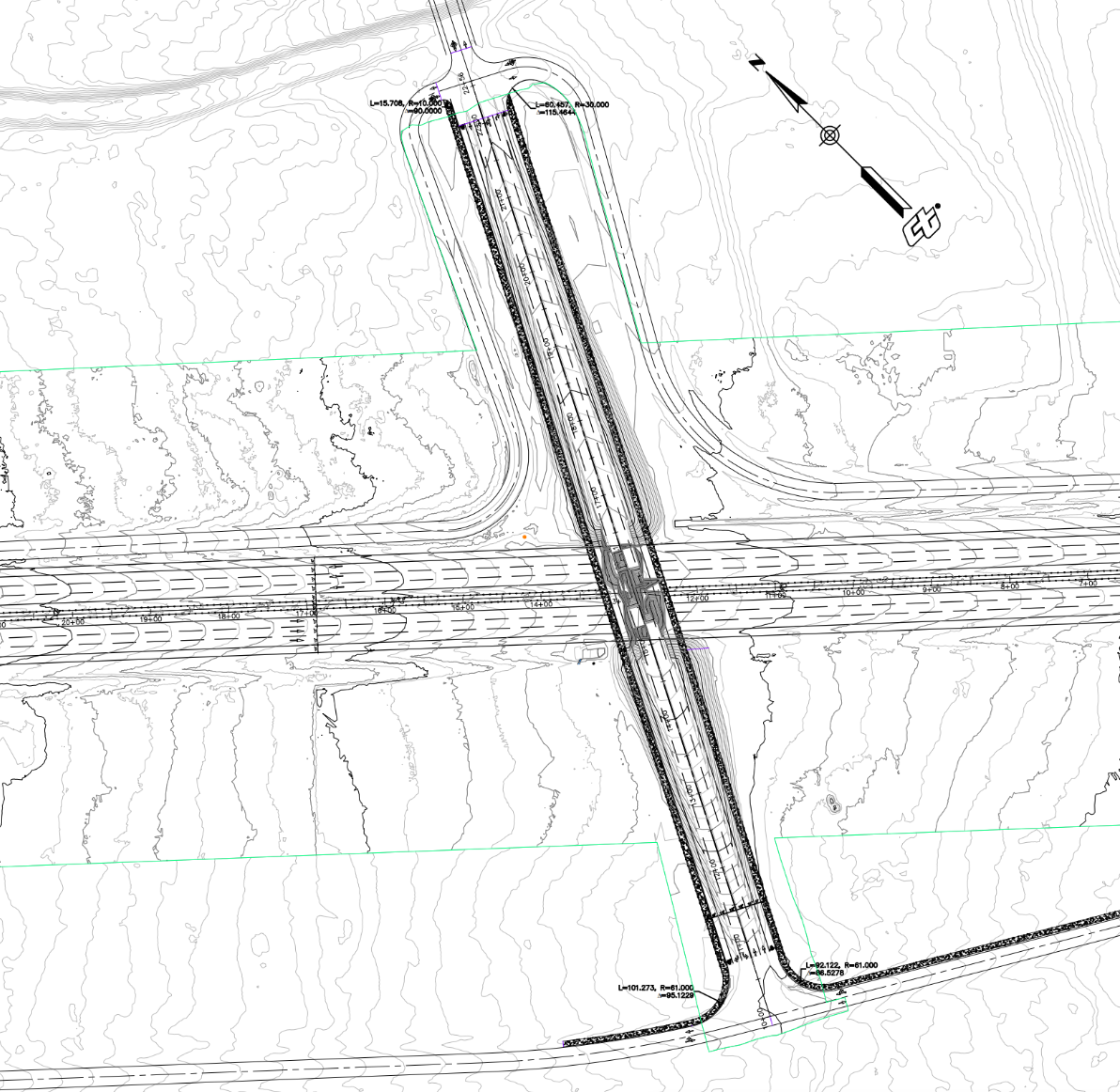
Alternative 3:
Bridge Replacement
Solely replaces the overcrossing bridge which entails the widening of Little League Drive from two lanes to four lanes, with new bike path implemented.
Alternative 4:
No Build
No improvement is made to the existing condition despite the consideration of future growth.
Deliverables
The Preliminary Environmental Analysis Report (PEAR) provides a comprehensive review of the environmental investigations based on environmental impacts such as biological, paleontological, climate change, hazardous materials, and even some social impacts such as Cultural, visual, and community impacts.
The Project Study Report (PSR) summarizes the technical analyses, design concepts, and environmental considerations used to identify a recommended alternative. The PSR serves as the basis for future project development and coordination with local and regional agencies.
The Intersection Safety And Operational Assessment Process (ISOAP) provides a comprehensive review of the traffic investigations based on the interaction between the freeway mainline, ramp terminals, pedestrians, cyclists, and transit. The ISOAP uses existing conditions, active transportation facilities, transit routes, crash analysis, and Safe Systems Approach in the data analysis.
Benefit/Cost Analysis
Evaluates the benefit to cost ratios for each proposed alternative based on the total vehicle delays, overall traffic safety, emissions rates, and reliability.
Construction Staging Plan
Presents plans for the construction phases for the preferred alternative.
Cost Estimate
Displays the total project costs based on costs for earthwork, roadway items, ROW, and structure items for each alternative.
Weighted Decision Matrix
Evaluates ratings based on nine criteria and the rating for each alternatives to choose the most feasible alternative.
Our Team
-
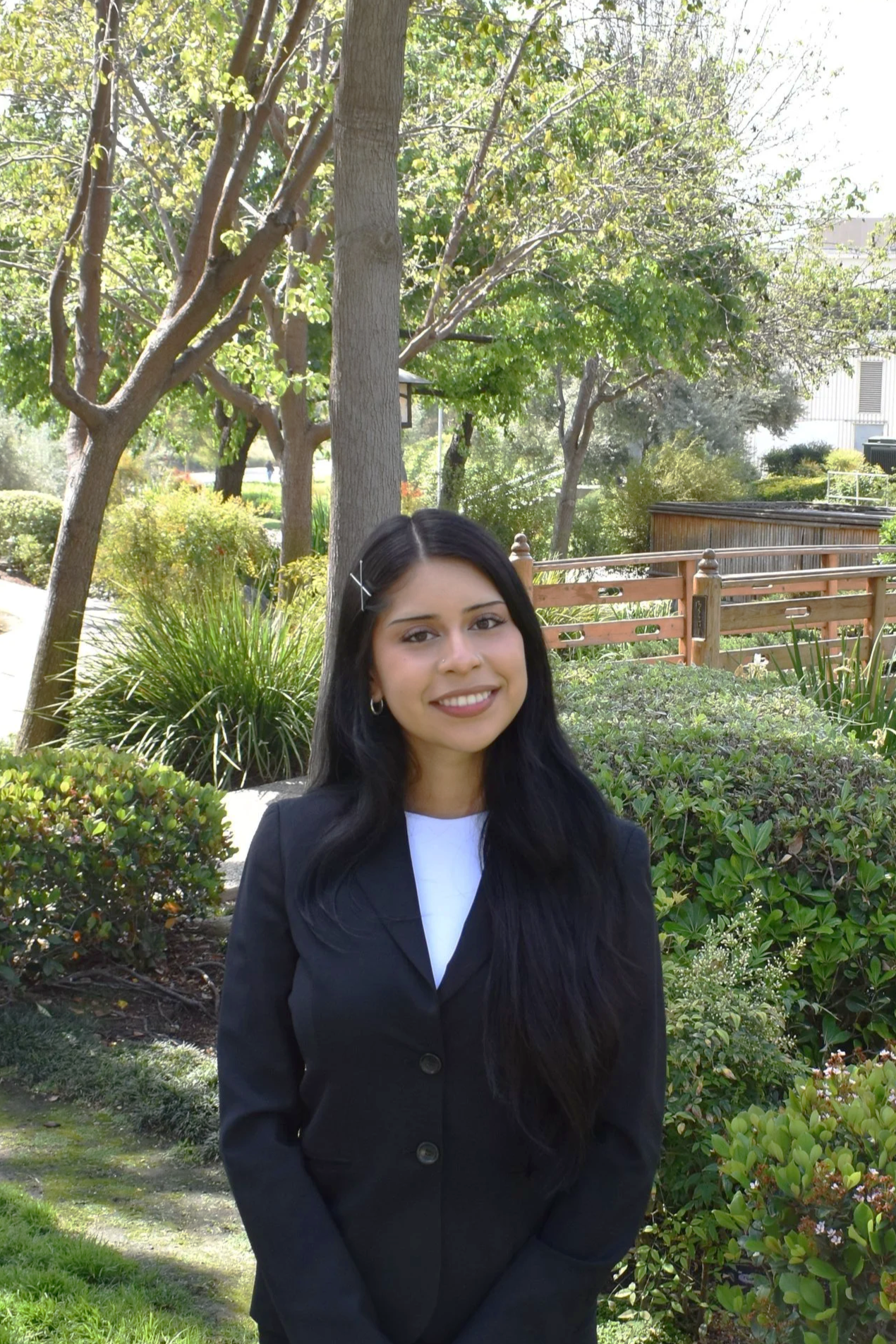
Danelia Teran
Project Manager
-
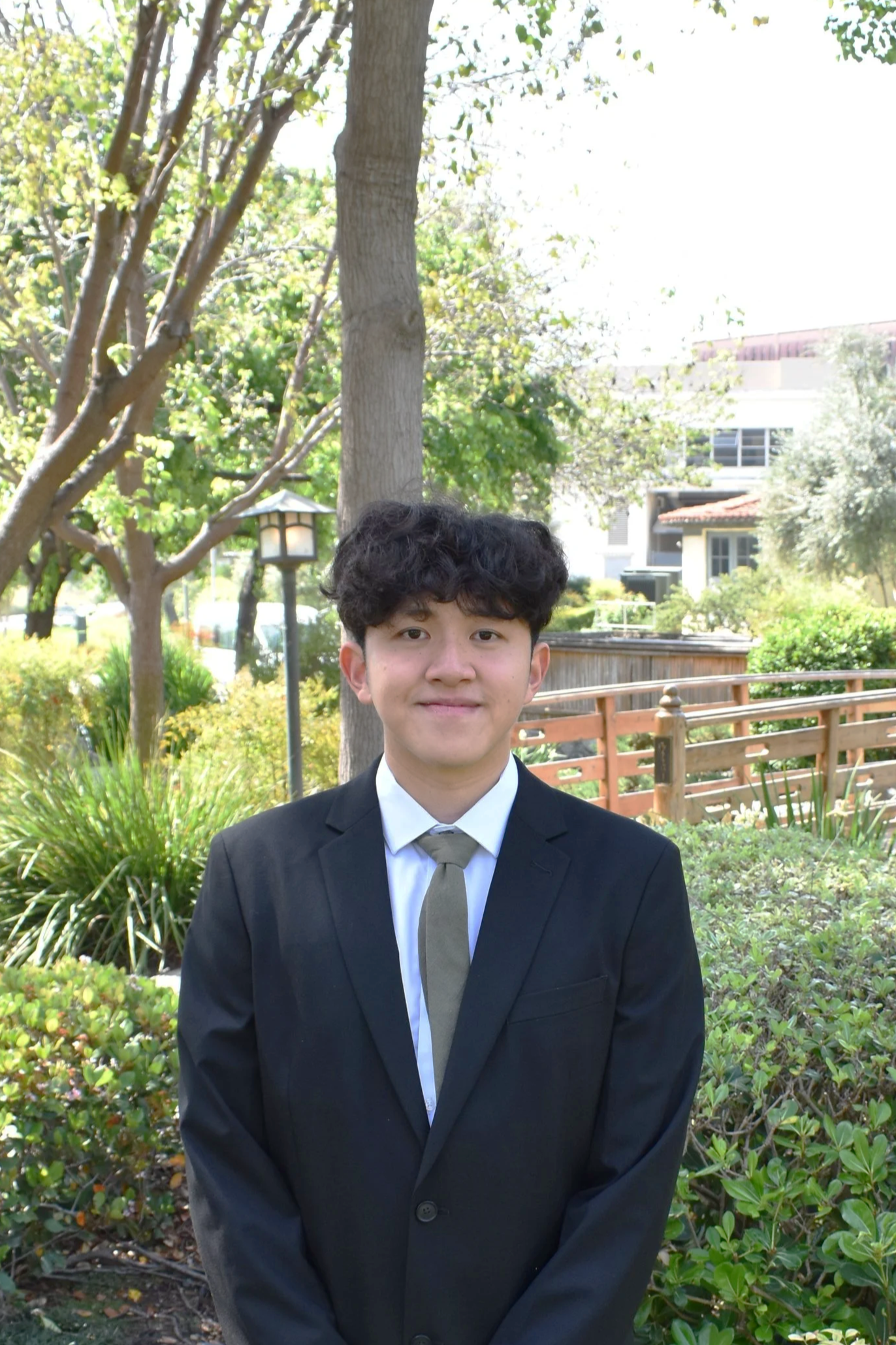
Justin Wu, EIT
Traffic Lead
-
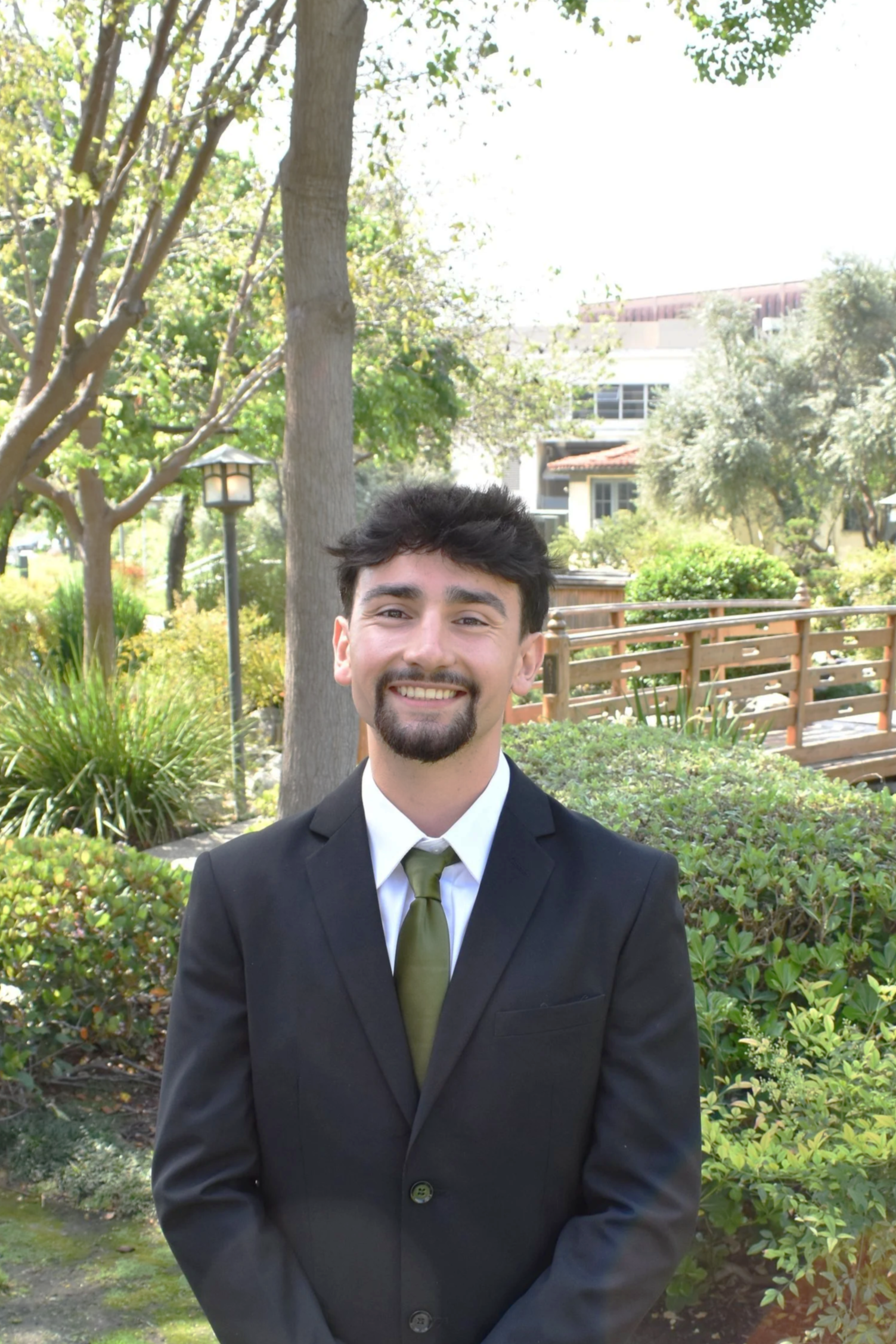
Wesley Duque
Traffic
-
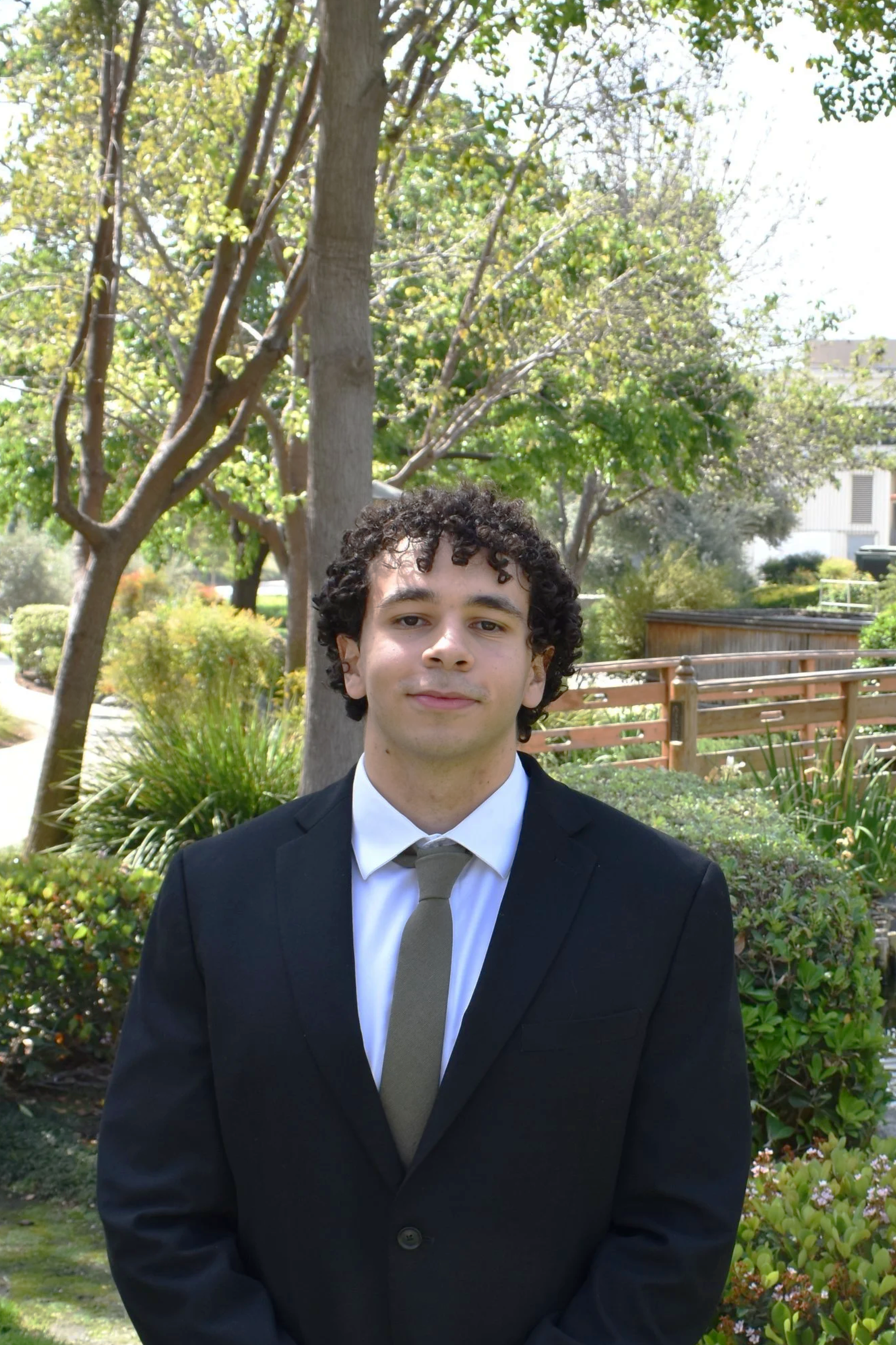
Jad Jaber
Traffic
-
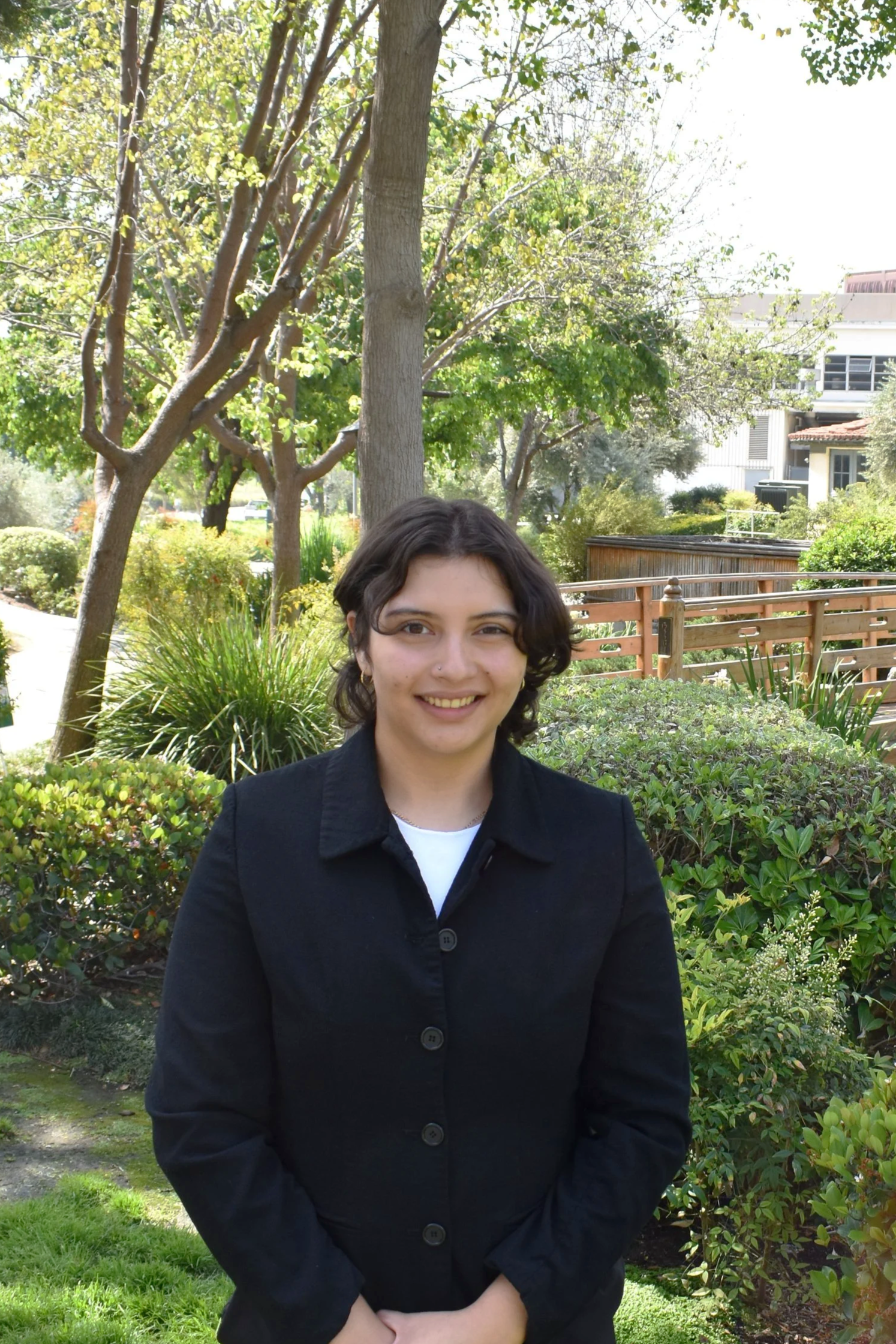
Pricilla Rodriguez
Traffic
-
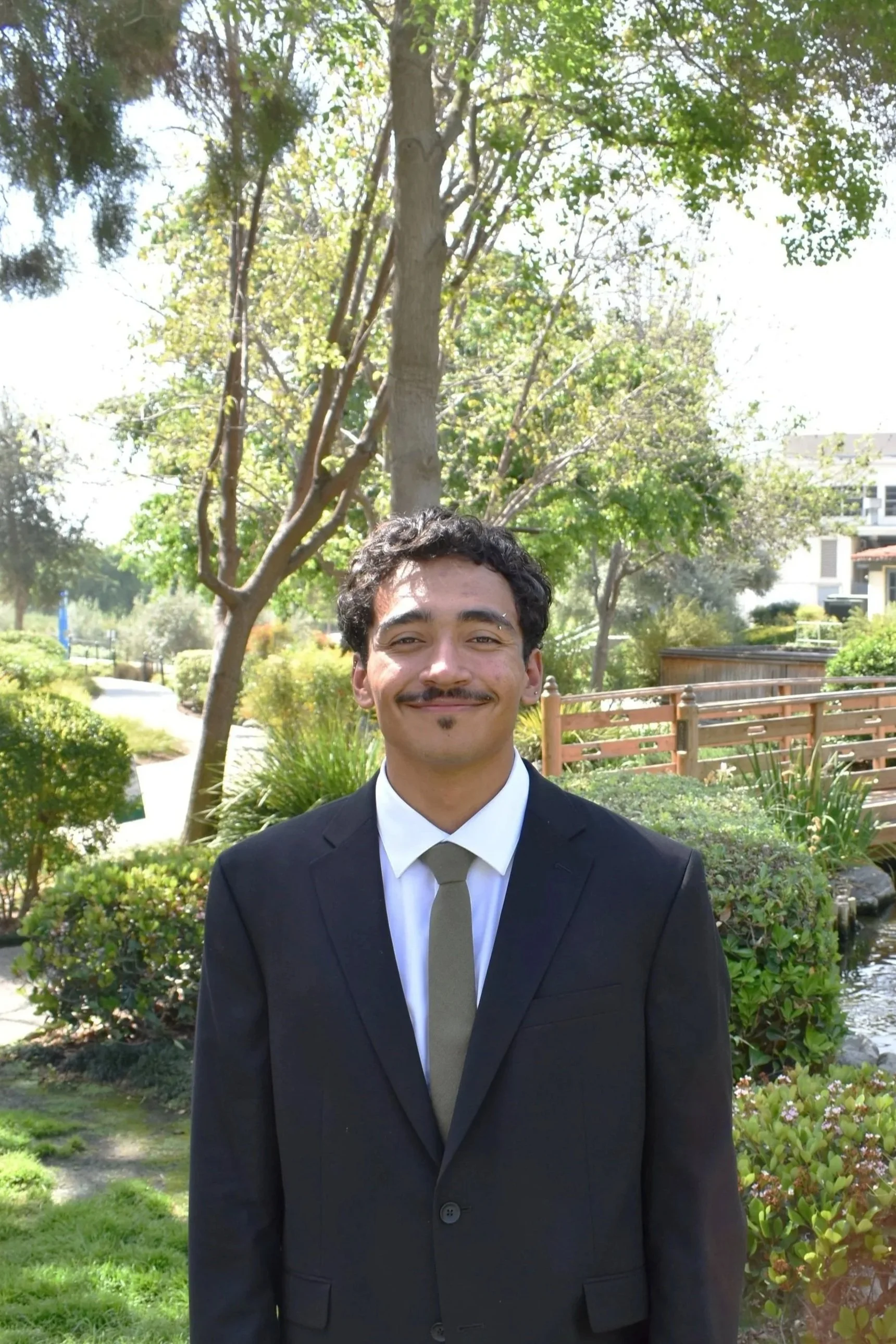
Armando Cortez
Environmental Lead
-
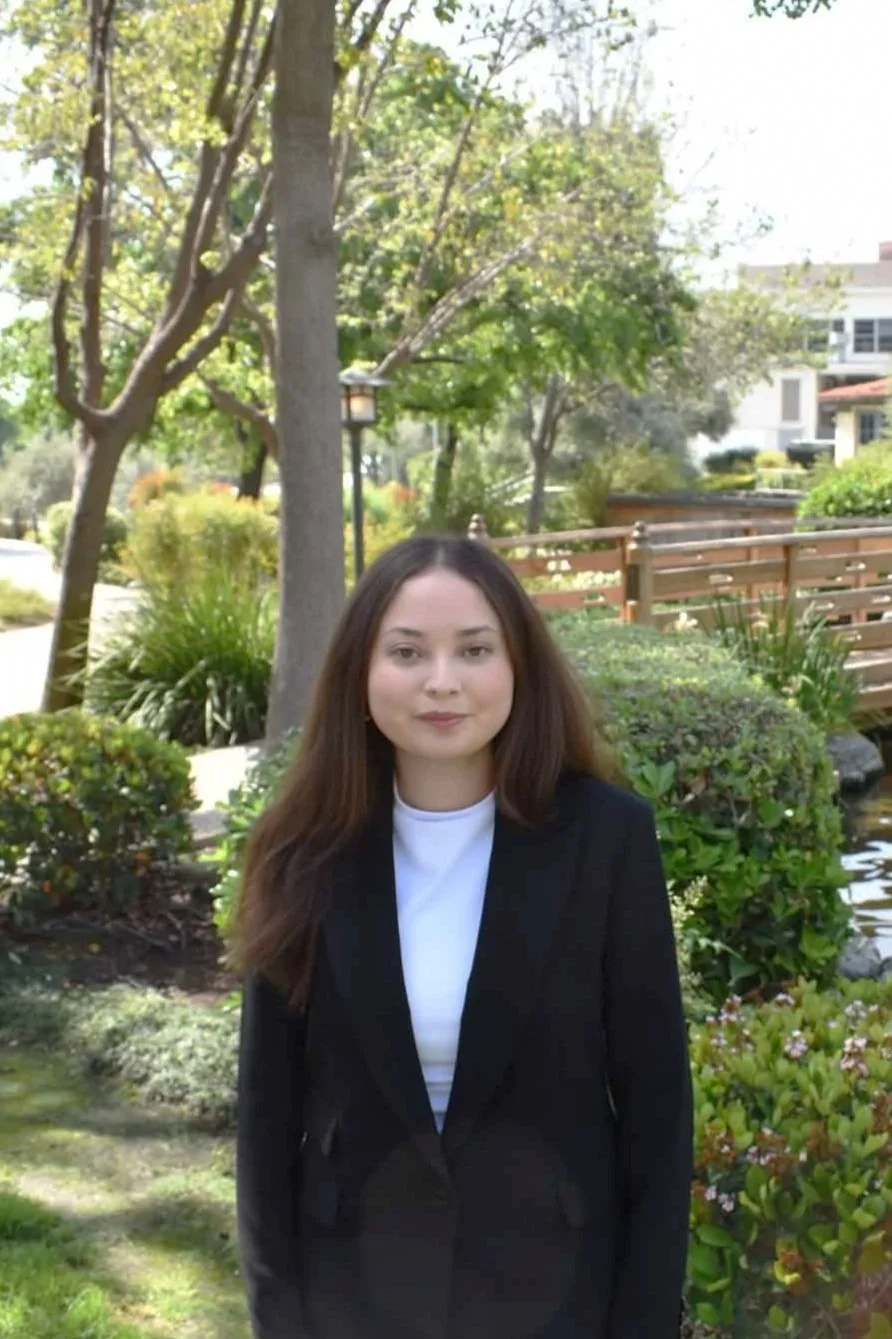
Jazlyn Garcia
Environmental
-
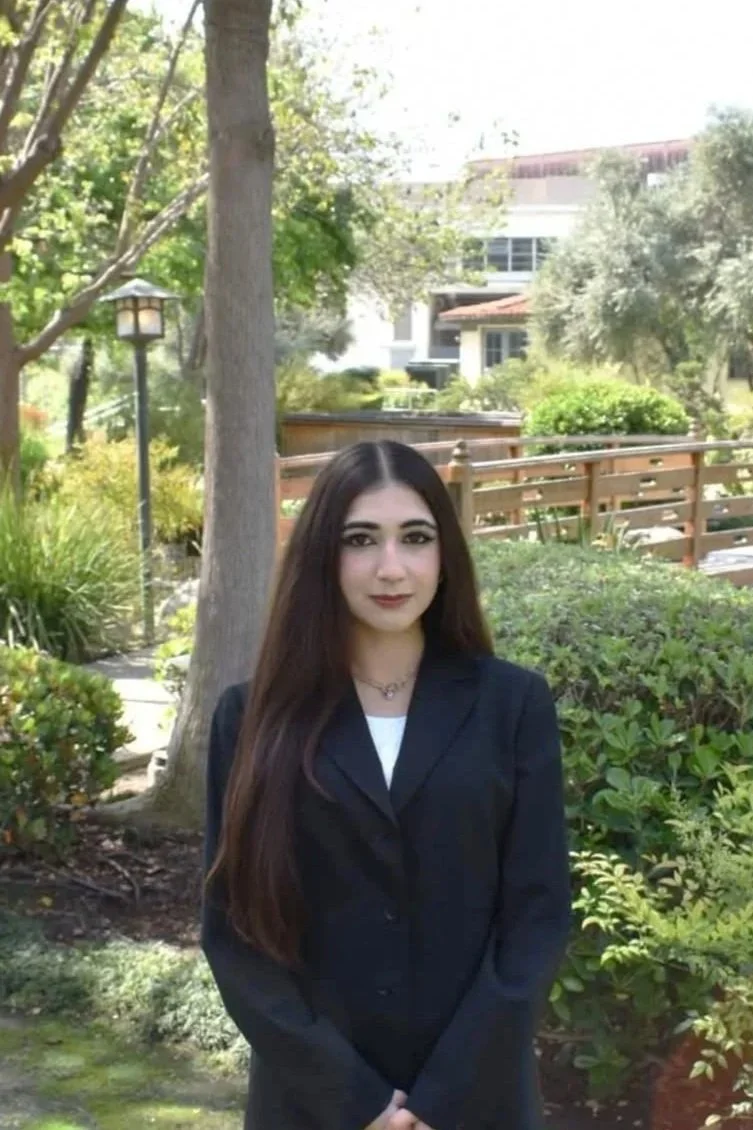
Eshana Naveed, ENV SP
Environmental
-
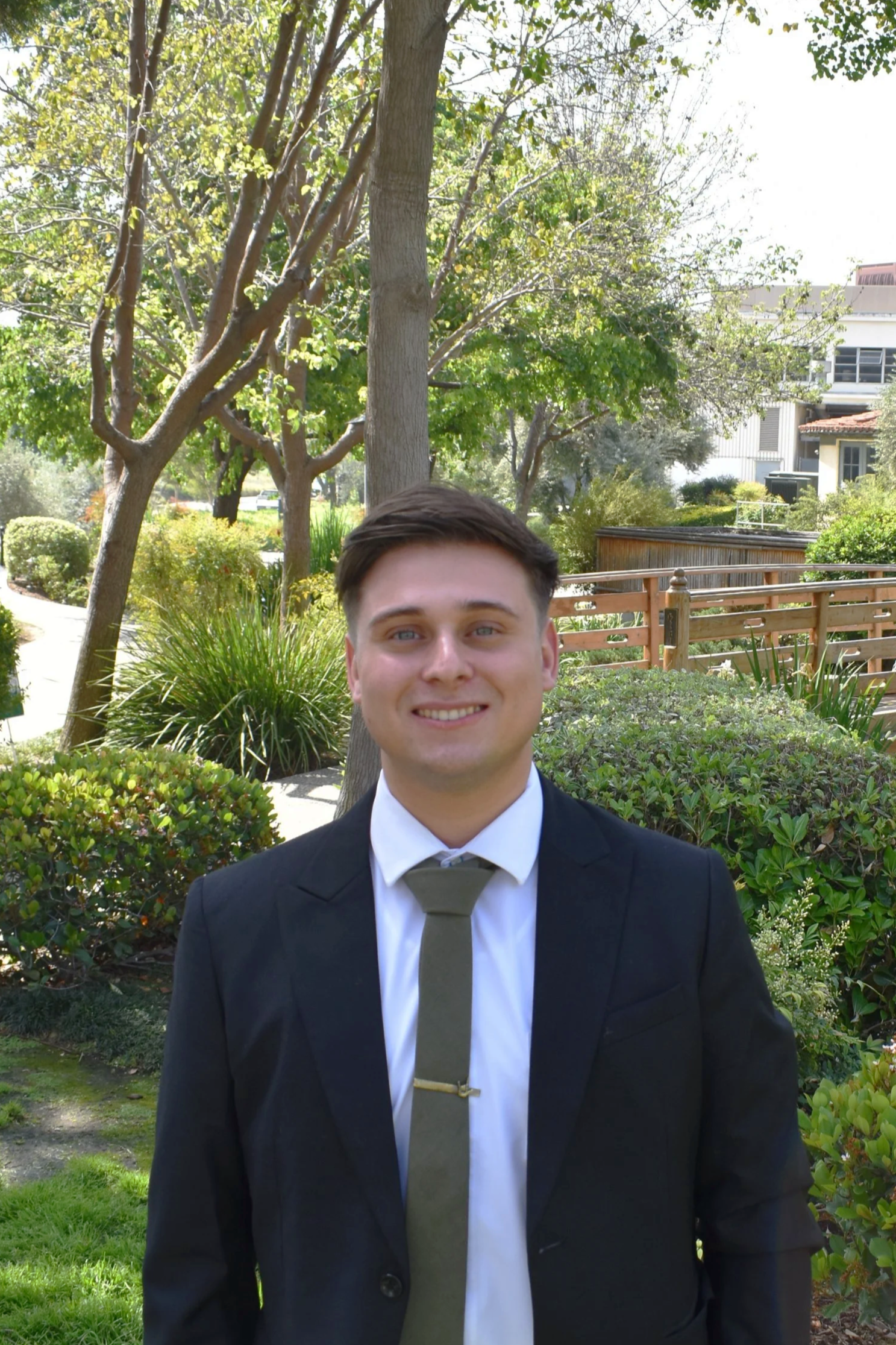
Daniel Arispuro
Design Lead
-
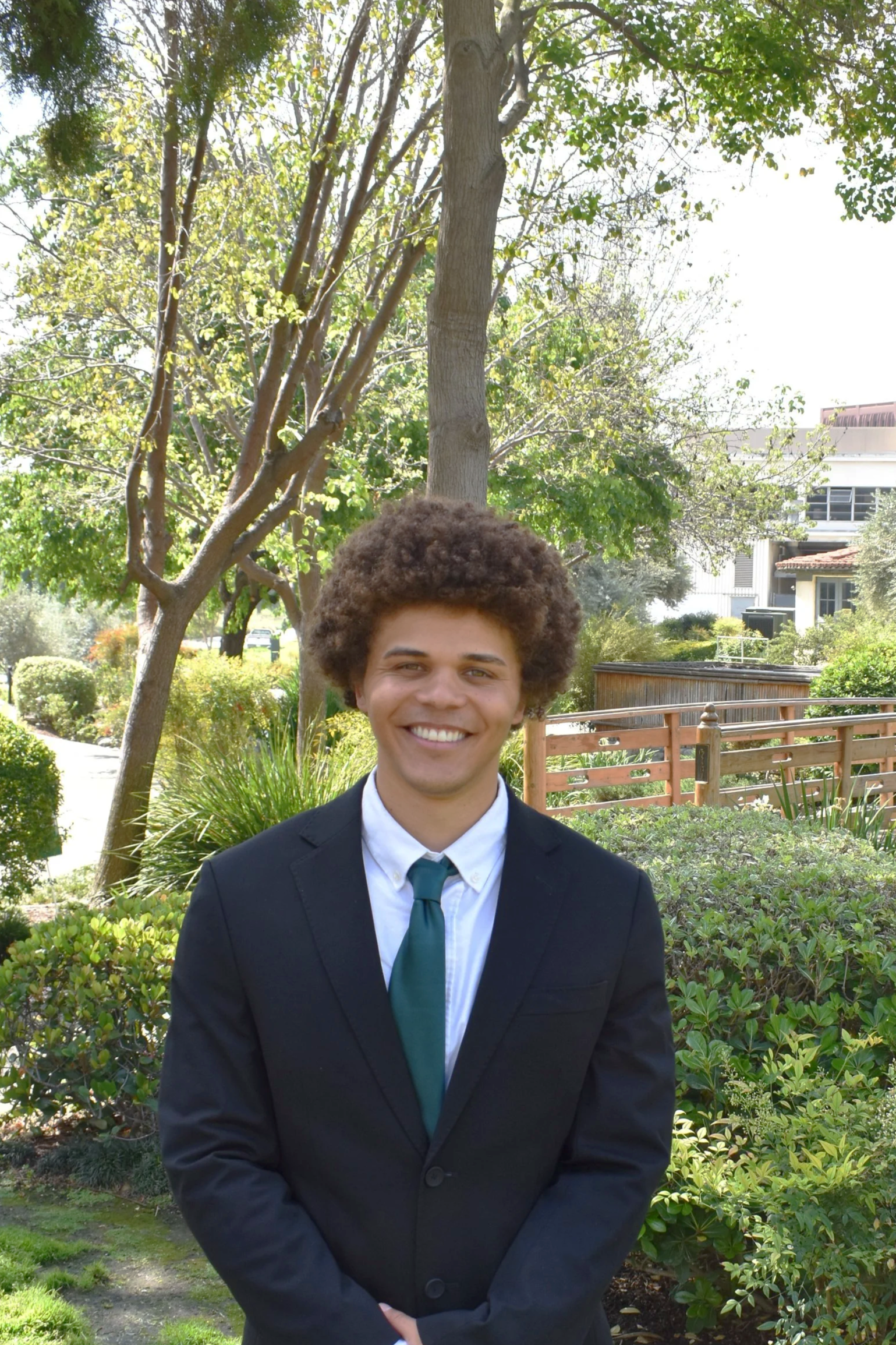
Josiah McCarthy
Design
-
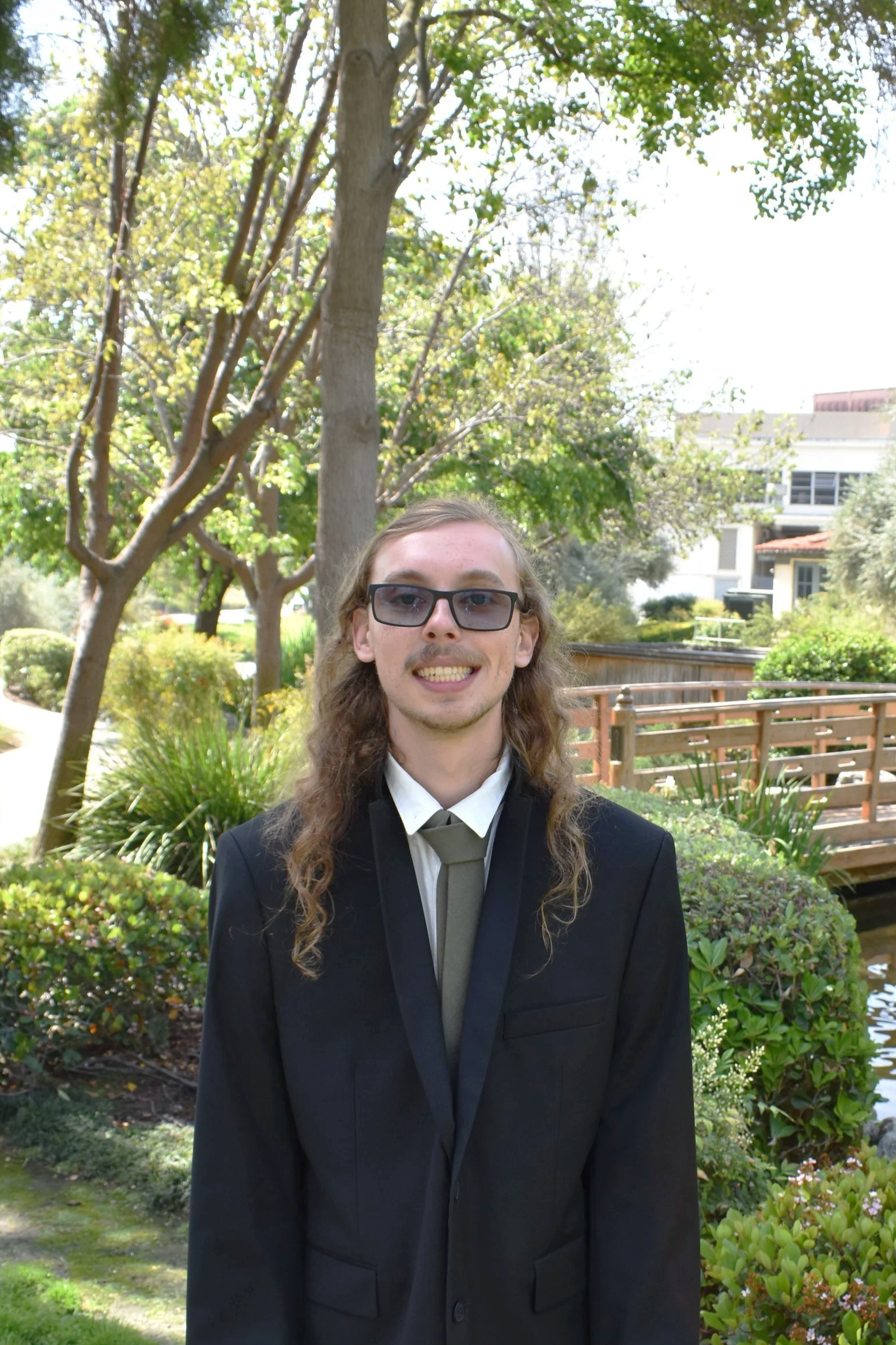
Jeromey Shanteau, EIT
Design
-
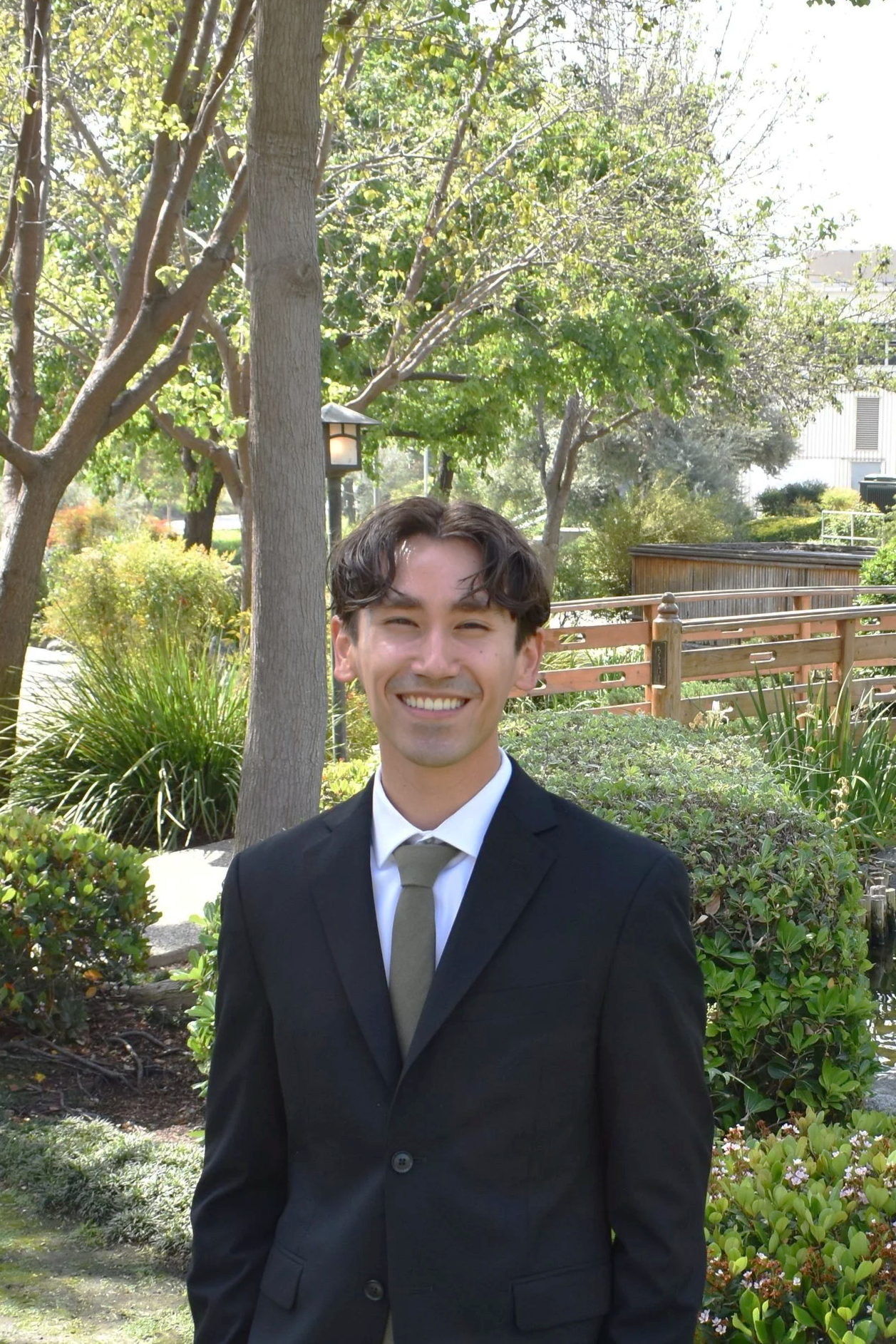
Alejandro Torres, EIT
Design
-
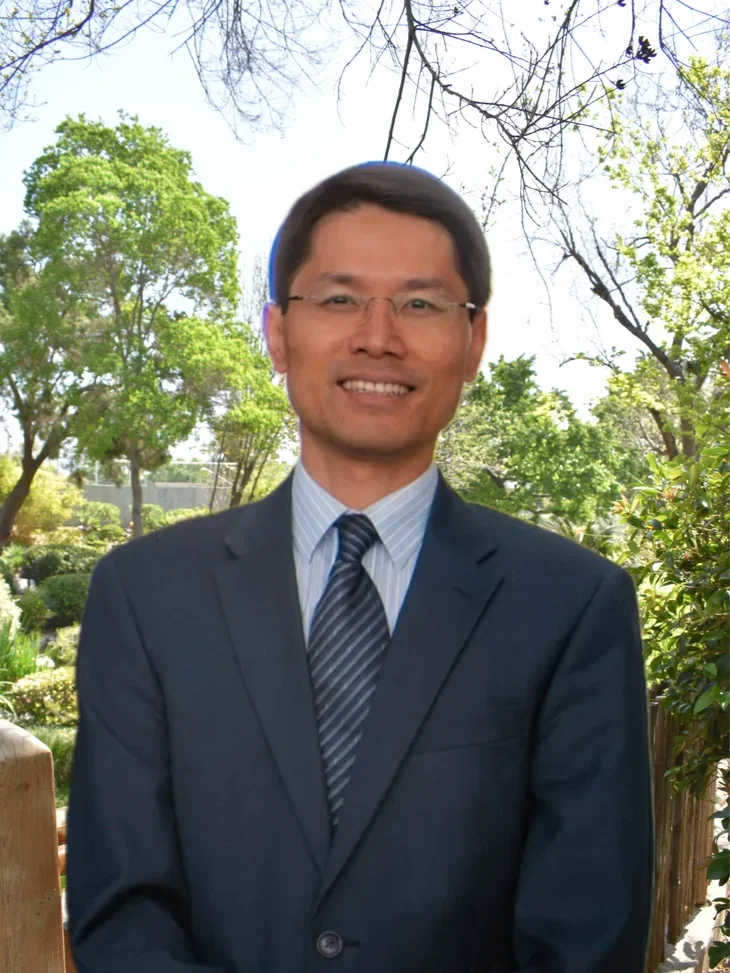
Dr. Yongping Zhang, PE
CPP Faculty
Advisor
-
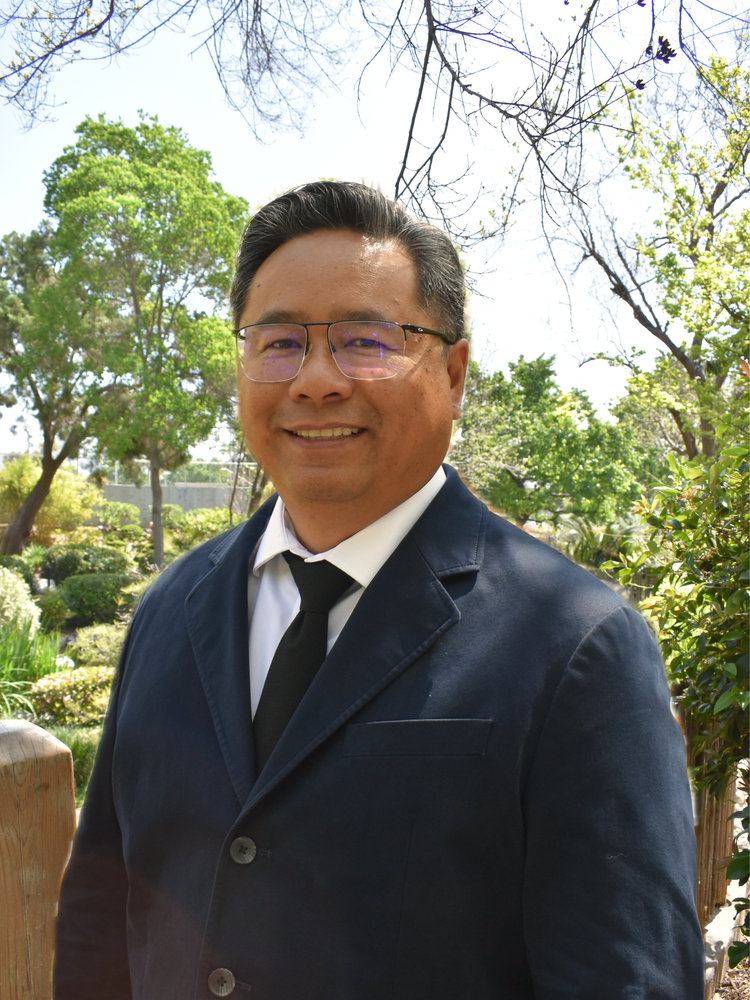
Jason Collado, PE
Caltrans District 8
Advisor
-
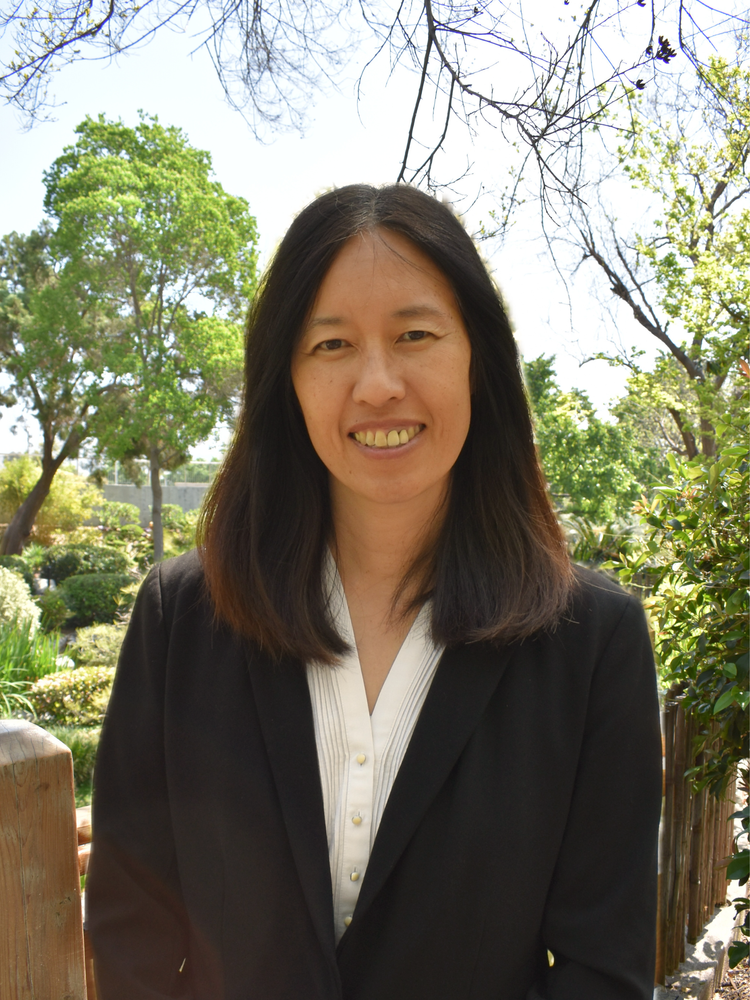
Justine Niu, PE
Caltrans District 8
Advisor